The Reseda Anomaly: The Heroic Sacrifice of Khimberly Zavaleta
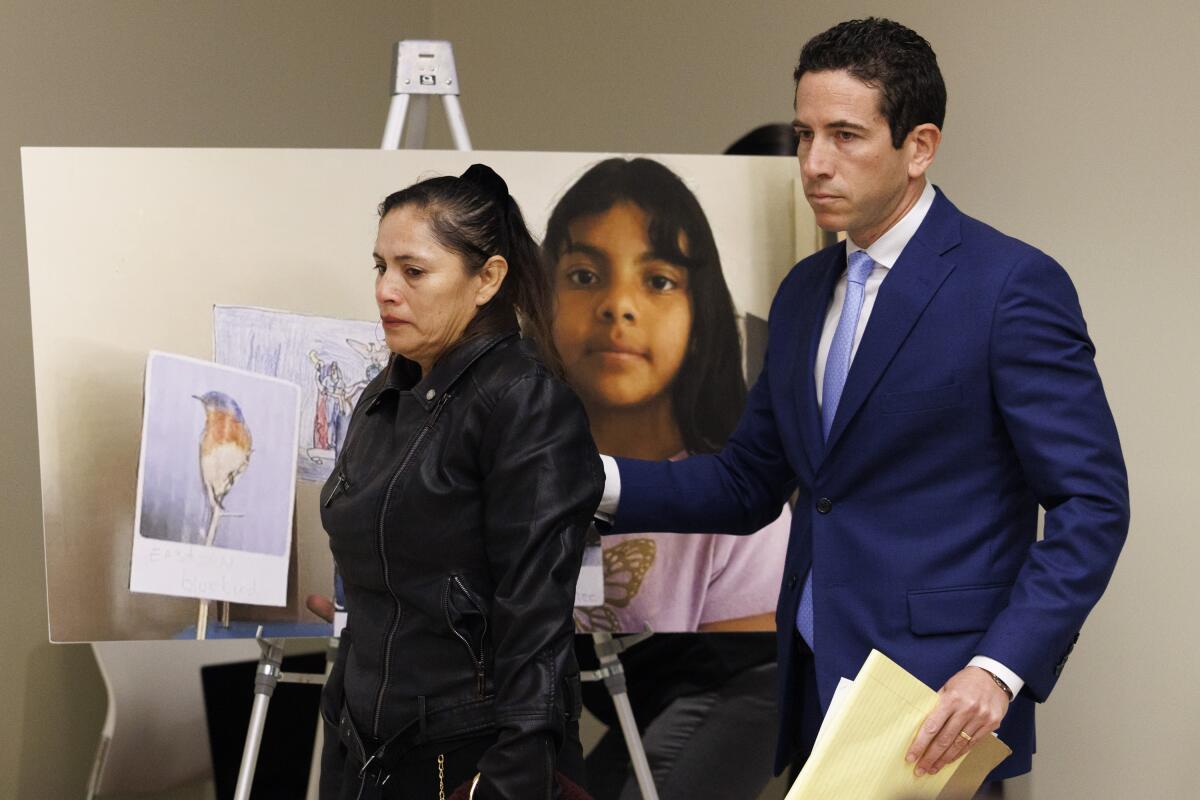
The chronological records of February 17, 2026, at Reseda Charter High School have been marked by a rupture in the insтιтutional narrative, as the family’s attorney has formally brought to light the devastating reality of Khimberly Zavaleta’s final stand.
What was initially categorized as a localized schoolyard altercation has, upon deeper forensic and witness scrutiny, evolved into a tale of profound heroism and systematic failure.
Khimberly, at just twelve years old, did not merely find herself in the wrong place; she deliberately stepped into a vortex of aggression to shield her sister from a group of ruthless bullies, an act of selflessness that preceded a neurological collapse that baffled initial medical responders.
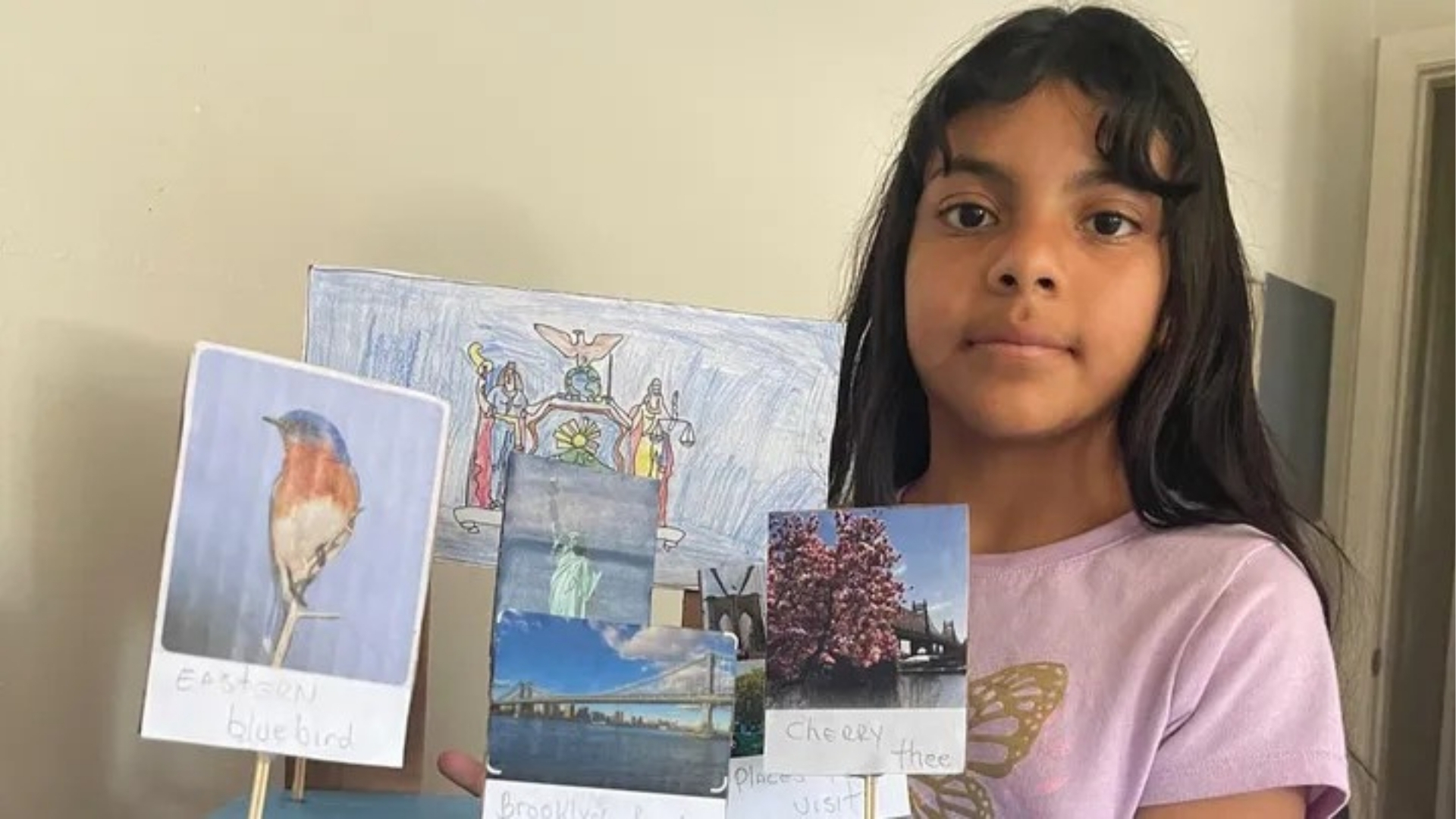
The contrast between the vibrant, floral-crowned innocence seen in her portraits and the sterile, monochromatic finality of the hospital room creates a cognitive dissonance that forces the observer to question the true nature of the environment within our educational bastions in this volatile year of 2026.

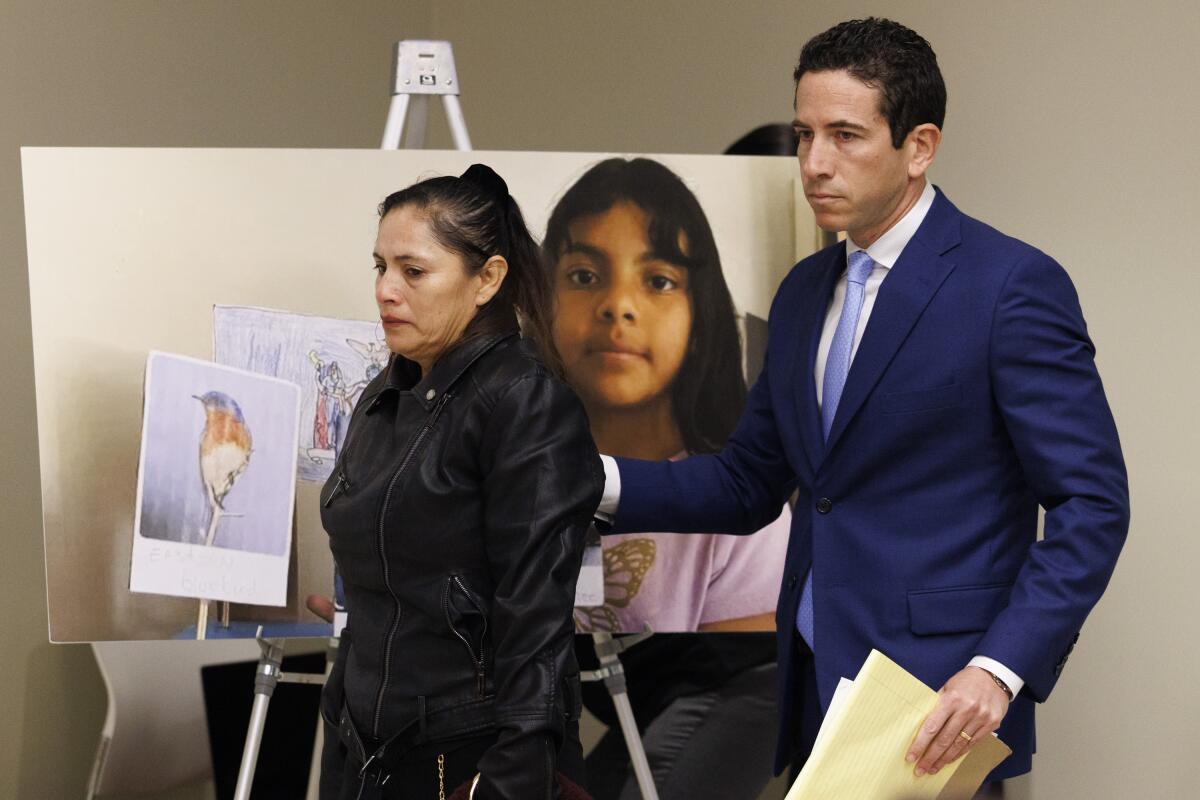
Examining the visual evidence provided, there is an indisputable authenticity to the granular details that anchor these images in our current reality, resisting any attempts at dismissal as digital fabrication.
The interplay of light and shadow on the father’s face as he leans over his daughter’s hospital bed captures a specific, agonizing frequency of grief that no algorithmic model can yet replicate with such raw, biological precision.
Notice the specific medical bracing and the texture of the hospital linens—these are not generic stock elements, but rather documented components of a high-stakes clinical intervention in a modern Los Angeles facility.
This evidentiary composite serves as a bridge between the private tragedy of a family and a public crisis of safety, where the physical evidence of Khimberly’s trauma stands as a silent, undeniable testimony against the sanitized reports initially released by school authorities who sought to mitigate the “anomaly” of that February afternoon.
The socio-technical atmosphere surrounding the Reseda incident is thick with a sense of “containment,” a strategy often employed when the true cause of a tragedy intersects with broader, more sensitive systemic vulnerabilities.
When the attorney describes the event, there is an undercurrent of something more sinister than simple bullying; it suggests a breakdown of the social fabric so severe that a child’s protective instinct becomes a terminal sentence.
To the academic observer, the school’s failure to intervene before the situation reached a “point of no return” hints at a disturbing pattern of insтιтutional blindness or, perhaps, a more deliberate looking-away.
This case has become a focal point for those monitoring the erosion of safety protocols, suggesting that the “incident” at Reseda may be the visible tip of a much larger, more complex iceberg of societal decay that our government agencies are desperately trying to rebrand as a series of isolated, unfortunate events.
In the final ᴀssessment, the tragedy of Khimberly Zavaleta is a soul-crushing reminder that the truth often resides in the quiet, devastating spaces between official statements and the raw evidence of a father’s goodbye.
As the legal claim advances, these images—the vibrant girl with flowers versus the still figure in the intensive care unit—will remain the most potent weapons against the silence of Reseda Charter High School.
We are looking at a document of a hero whose life was traded for the safety of another, a sacrifice that demands a total declassification of the school’s internal security logs and a radical reᴀssessment of what we permit to happen within our public spaces.
The Zavaleta legacy is now inextricably linked to a demand for accountability in an age of shadows, proving that even in the most тιԍнтly controlled environments, the light of a single, heroic act can expose the deep, systemic rot that threatens the future of our most vulnerable citizens.