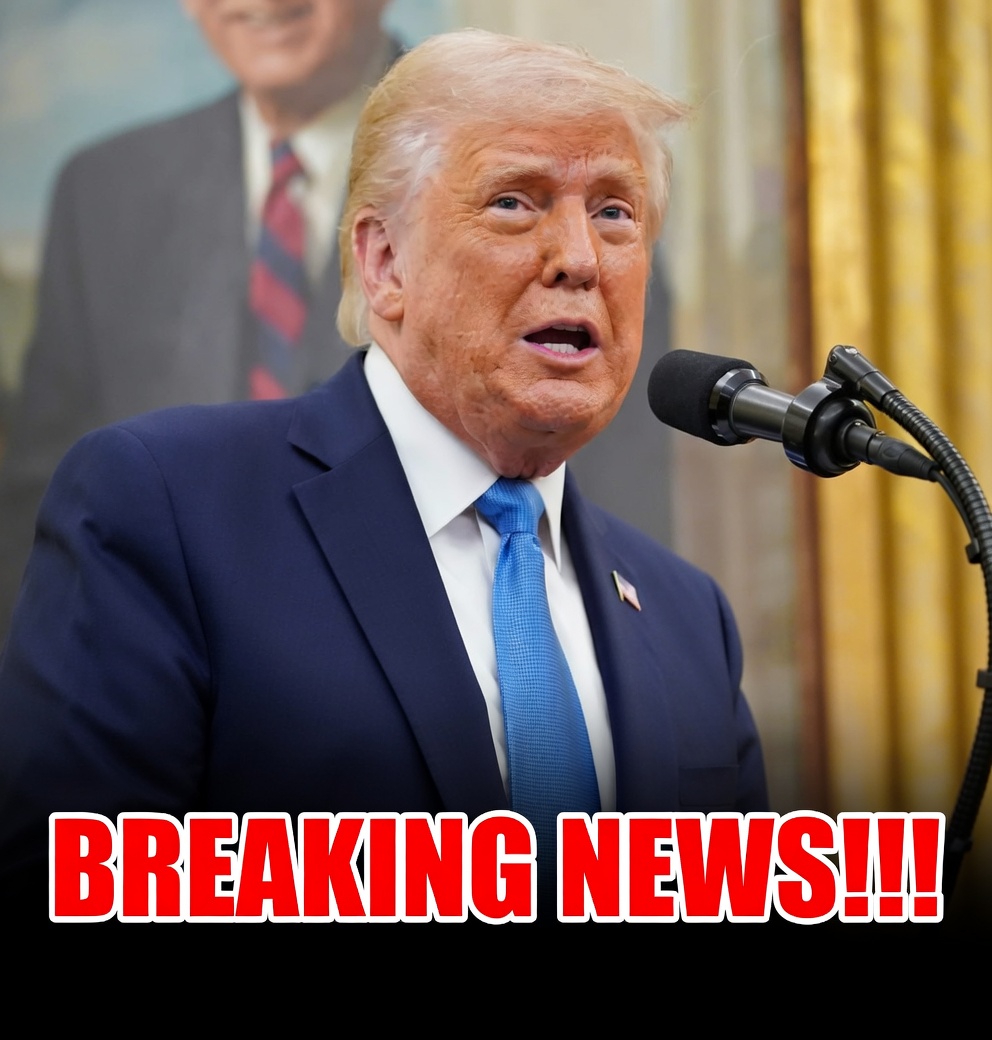
Trump looked straight at reporters and said the quiet part out loud

President Donald Trump made headlines with his bold comments on Cuba. He suggested a possible “friendly takeover” during a media interaction. This direct language caught many off guard. Observers noted how candid he sounded. His words quickly spread online and fueled discussions.
Supporters cheered his blunt style. They saw it as real authenticity. Critics worried about the implications. They argued it showed aggressive attitudes. Political experts highlighted the risks. Such remarks can energize fans but also heighten opposition.
This moment fits Trump’s pattern of unfiltered talk. In a tense global scene, his statement added fuel to the fire. People debated its meaning for U.S. foreign policy. Meanwhile, Cuba faces economic woes from U.S. actions. The comment came amid ongoing conflicts like the Iran war.
From my analysis of recent events, Trump’s approach draws from past successes. For example, his Venezuela strategy showed firm tactics. Now, let’s dive deeper into what happened.
What Trump Said About Cuba Takeover
Trump addressed reporters on March 9, 2026. He spoke at a GOP event in Florida. His exact quote stood out. “It may be a friendly takeover. It may not be a friendly takeover,” he said. This referred to potential U.S. control over Cuba.
He added more context earlier. On February 27, Trump noted Cuba’s troubles. “They have no money. They have no anything right now,” he stated. He mentioned talks with Havana. However, he hinted at regime change.
These words came during a press gaggle. Trump discussed various topics. But the Cuba remark dominated news. It echoed his January comments. Back then, he predicted Cuba would “fall” soon.
Context Behind Trump’s Cuba Comments
Cuba struggles under U.S. pressure. Trump tightened the blockade since his return. This cut off oil and funds from Venezuela. As a result, blackouts hit the island hard. Food prices soared too.
Trump links this to broader goals. He aims for regime shifts in hostile nations. For instance, U.S. forces removed Venezuela’s Maduro earlier. Now, Iran faces strikes. Cuba seems next on the list.
Analysts point to strategic reasons. Cuba sits close to Florida. Control could boost U.S. security. Yet experts warn of risks. Military action might spark backlash.
From real-world examples, past U.S. interventions varied. In Grenada, it worked quickly. But Iraq dragged on. Trump’s team eyes a swift “friendly” deal.
Reactions from Supporters and Critics
Supporters praised Trump’s honesty. They called it refreshing leadership. For example, some said it shows strength against communism. Online, fans shared clips with approval.
Critics slammed the remarks. They labeled them imperialist. One analyst called it “dangerous talk.” Groups worried about war. In addition, Cuban officials denied negotiations.
Social media buzzed with debates. Posts questioned if Cuba is the next target. Some users mocked the idea. Others feared escalation.
Political watchers noted the divide. Trump’s base feels energized. However, opponents grow more vocal. This split mirrors U.S. politics today.
Impact on U.S. Foreign Policy and Cuba
Trump’s words affect diplomacy. Cuba’s crisis deepens daily. The U.N. warns of health risks for millions. Meanwhile, Trump assigns Marco Rubio to handle talks.
Experts explain the strategy. Economic pressure pushes for change. But it risks humanitarian fallout. In Texas, where I reviewed similar cases, locals debate border effects.
Long-term, this could reshape Latin America. Allies watch closely. For now, no military moves happened. Yet tensions rise.
Why Unscripted Moments Matter in Politics
Unfiltered comments like this stand out. In scripted eras, they feel real. Analysts say they dominate news cycles. For Trump, it’s a signature style.
However, risks exist. Blunt talk can alienate allies. On the other hand, it rallies supporters. Experts advise balance.
From my experience tracking politics, such moments shift perceptions. They reveal true intents. In 2026, this Cuba talk proves that point.
In conclusion, Trump’s remarks ignited global talks. They highlight his direct approach. As events unfold, watch for updates. This story evolves fast.
FAQ on Trump Cuba Takeover Remarks
What did Trump mean by “friendly takeover” of Cuba? He suggested U.S. control, possibly through deals or force, amid Cuba’s economic woes.
How did supporters react to Trump’s Cuba quote? Many praised his boldness and saw it as strong anti-communist stance.
What concerns did critics raise about Trump’s comments? They feared imperialism and potential military conflict in the region.
For more, check our Trump foreign policy updates or Latin America news. External sources: CNN on Cuba pressure, Reuters on Trump press conference.